What Changed and What Didn't
FASCOM is a redesignation of FCC, not a new organization built from scratch. FCC was activated on February 12, 2026, as "the conceptual and intellectual foundation of Army modernization," with five subordinate commands, and it sat as a subordinate command under the Army's Transformation and Training Command, T2COM (Army.mil). FASCOM inherits those five subordinate commands: the Combat Capabilities Development Command (DEVCOM), the Medical Research and Development Command, the 75th Innovation Command, the Joint Modernization Command, and the Transformation Decision Analysis Center, whose work AUSA reports FASCOM will "consolidate, integrate and accelerate" (AUSA; Breaking Defense). The change is in their mission focus and in the acquisition authority now attached to the command, not in a new merger of organizations.
The acquisition piece is the bigger change. The Army's announcement uses "Portfolio Acquisition Executive for Autonomy" (Army.mil); some outlets, including Breaking Defense, wrote "Program Acquisition Executive." The Army's term matters because "PAE" already has a defined meaning: in November 2025 the Army announced six PAEs (Fires; Maneuver Ground; Maneuver Air; Command and Control and Counter Command and Control; Agile Sustainment and Ammo; and Layered Protection and CBRND), each owning a capability area including "requirements, science and technology, contracting, acquisition, testing, programming, sustainment, and international sales" (Army.mil). A seventh PAE for autonomy therefore inherits that full-lifecycle model. What remains unpublished is how the autonomy portfolio's boundaries are drawn against the six portfolios whose platforms autonomy rides on.
Leadership is reported unevenly. AUSA says FASCOM will be led by a three-star general (AUSA). Defense One reported that Lt. Gen. Mac McCurry leads the command and that "FASCOM's commander will also become the Army's first Portfolio Acquisition Executive for autonomy" (Defense One). DefenseScoop reported that the service had not yet named the leader and that McCurry commands the predecessor organization (DefenseScoop), and Military Times noted that the memo itself "does not say who will lead FASCOM" (Military Times). If the dual-hat Defense One describes holds, one officer would command concept development and experimentation while owning the procurement portfolio. That is a concentrated structure with real efficiency advantages, and real fragility if the role changes hands during the fiscal 2027 to 2028 execution window.
Three things are unresolved:
- T2COM. FCC was a subordinate command of T2COM (Breaking Defense). The Oct. 1 memo "does not address how FASCOM will relate to T2COM," and a T2COM spokesperson referred questions to Army headquarters (Military Times).
- AutoWarCom. Secretary Hegseth announced the joint Autonomous Warfare Command on September 30, said "we will soon have a four-star commander to raise the AutoWarCom flag," and set an October 1, 2027 target, with legislative authority still to be secured from Congress (DefenseScoop). A plan laying out command relationships and service force contributions was due October 30 (Military Times).
- Existing autonomy programs. Before this memo, Army autonomy efforts sat with the Capability Program Executive (CPE) for Mission Autonomy, activated in early 2026 under Brig. Gen. Anthony Gibbs; at activation the Army said teams from the CPE "are set to work with every portfolio in our Army" (Army.mil). How that CPE and its programs migrate to the new PAE for Autonomy is not yet public.
Why Acquisition Architecture Is the Real Story
The Army has already tried the integration-office answer to dispersed autonomy work. CPE Mission Autonomy was built to develop interconnected unmanned systems and to work across every portfolio, with early focus areas including reconnaissance, smoke delivery, suppressive fires and autonomous breaching (Army.mil). Its place in the structure is less clear than its mission. The Army's March release does not state a reporting line; the PAE for Maneuver Air, Maj. Gen. Clair Gill, presided over its March activation (Army.mil), while Breaking Defense in October described it as falling under "PAE Layered Protection and Integration" (Breaking Defense). An office that integrates across portfolios but lives inside one of them must win trade-offs through influence rather than authority. A dedicated PAE moves autonomy up a level, so its requirements, testing and programming decisions belong to an executive whose only portfolio is autonomy.
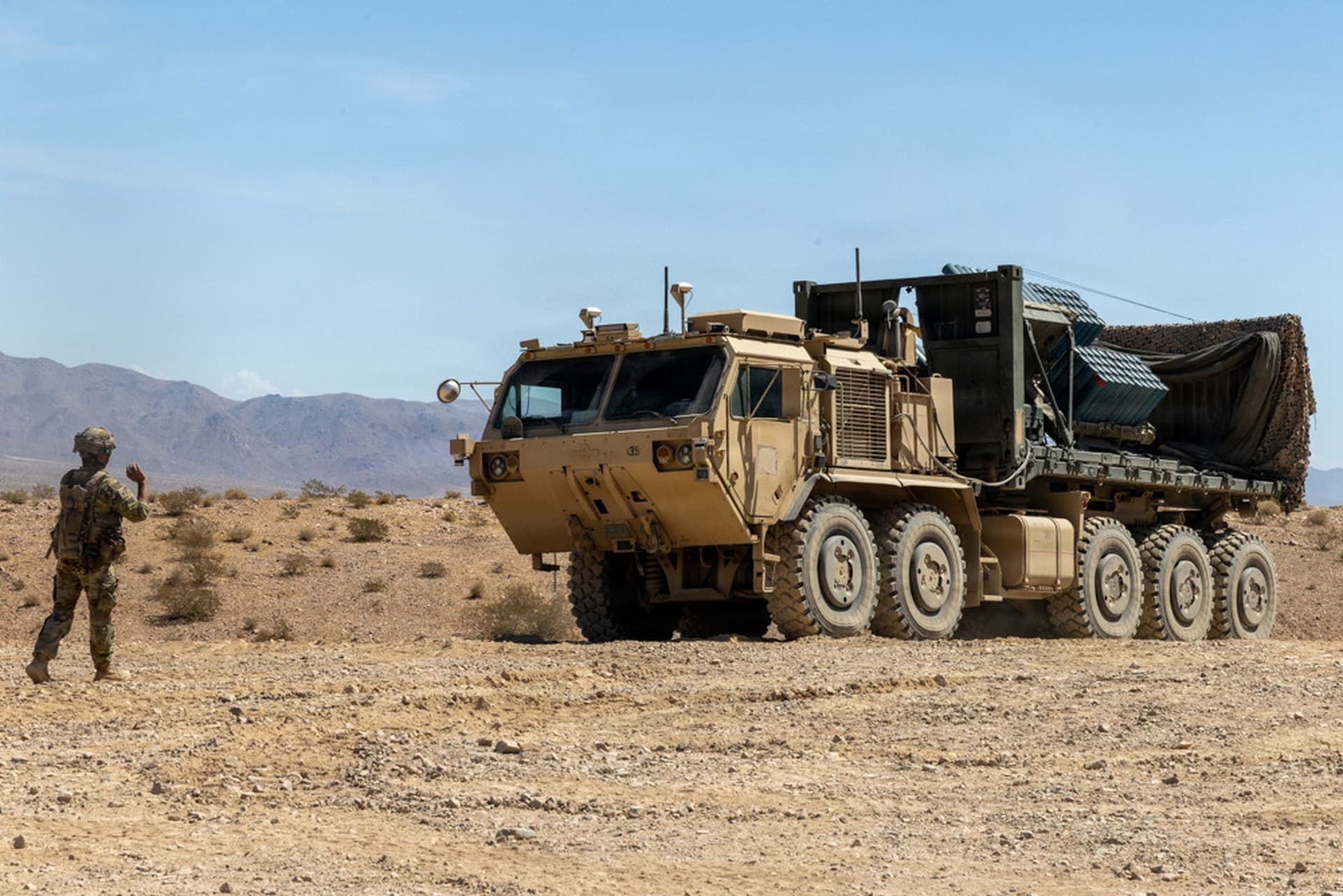
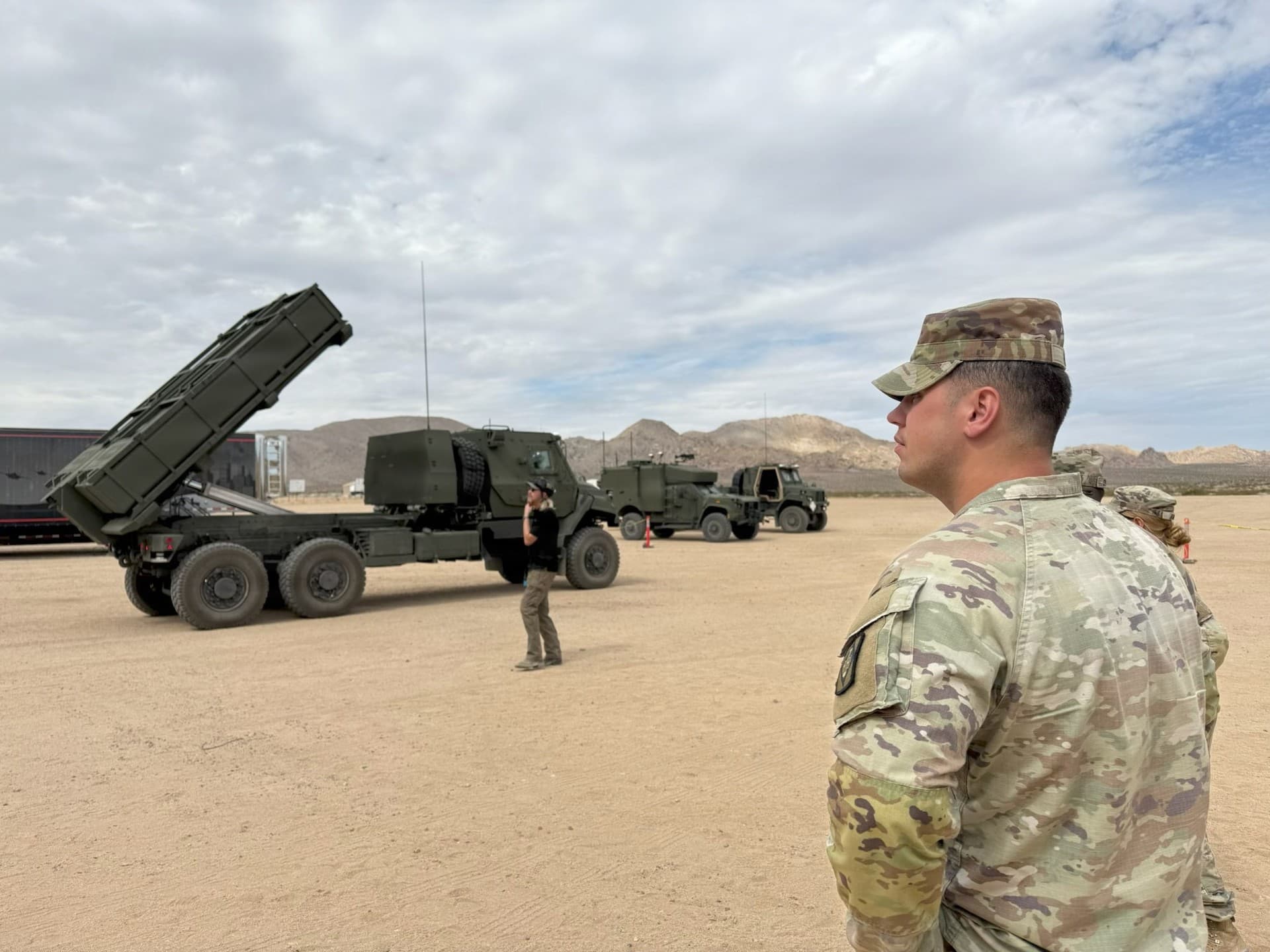
The experimentation loop is the second reason. At Project Convergence Capstone 6 at Fort Irwin in July, soldiers of the 2nd Battalion, 18th Field Artillery gave developers feedback on experimental autonomous artillery, including the Juggernaut launcher and a Robotic Support Vehicle (DVIDS). Under the new design, the command that runs experimentation is also positioned to own the procurement response. If the Defense One dual-hat holds, a human-machine interface problem found in an exercise lands on one desk rather than traveling to several program offices with separate queues.
The third reason is the joint layer. Defense One reported that FASCOM will be the Army's component to AutoWarCom, functioning much as Army Cyber Command and Army Special Operations Command support their joint commands while keeping Army-specific missions and force structure (Defense One). That model works when the joint command's authorities are settled. AutoWarCom was announced only weeks ago and is still in design, with its statutory basis not yet in hand (DefenseScoop).
Corps Experiments and the FY2028 Capability Deadline
The Oct. 13 announcement attached autonomy to specific formations (Army.mil; AUSA):
- I Corps: an autonomous fires battery and an autonomous watercraft company
- III Corps: an autonomous armored reconnaissance company
- V Corps: an autonomous breaching company
- XVIII Airborne Corps: autonomous aerial ISR and lift companies
- Eighth Army: pairing of crewed and uncrewed rotary-wing aircraft
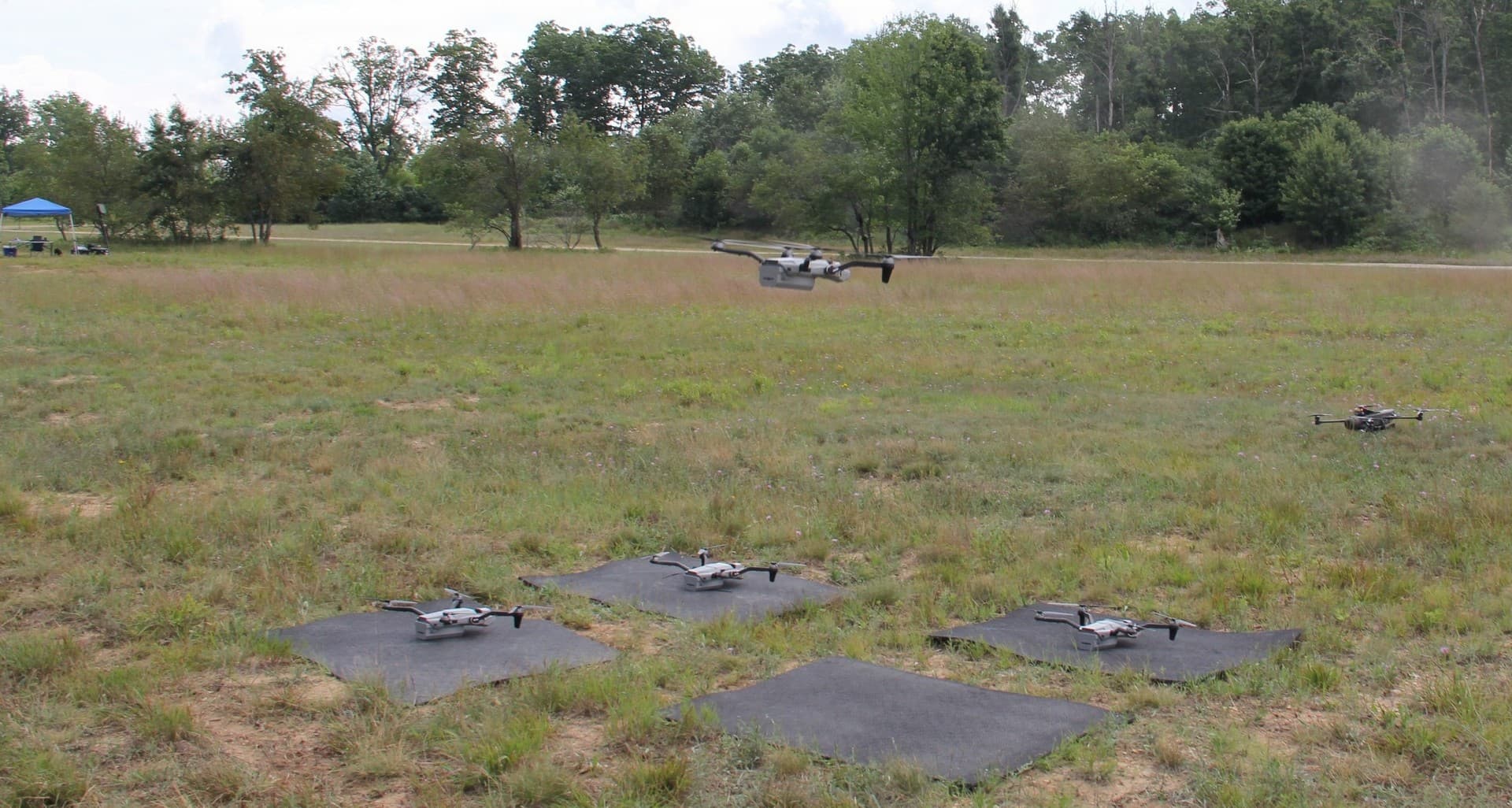
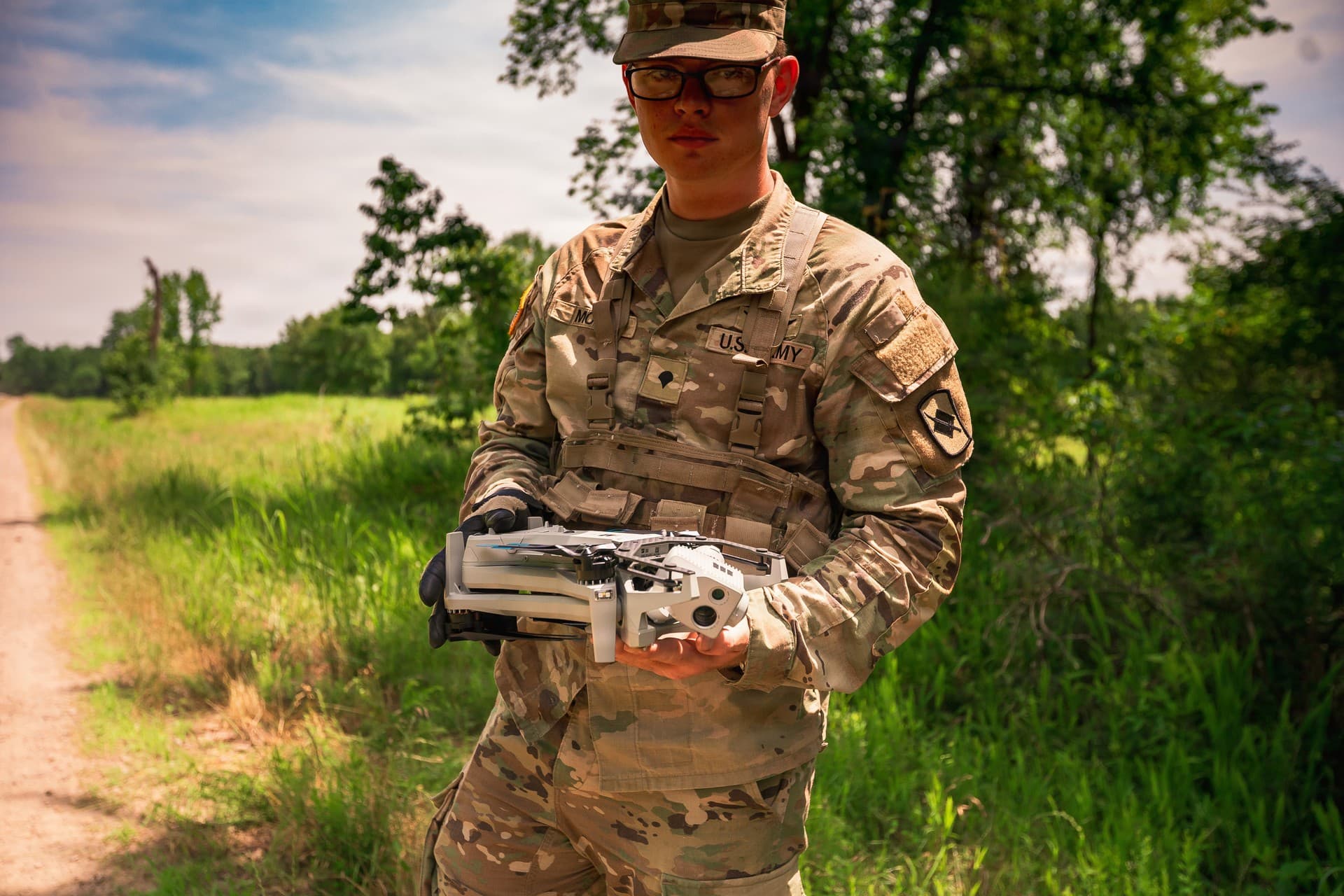
These are experimentation formations inside operational commands. The Army says each "will test equipment, evaluate tactics and make recommendations on accomplishing autonomous mission sets" (Army.mil). The Army has not published a fielding date for the formations themselves. The fiscal 2028 deadline attaches to the capability priorities in the Oct. 1 memo (Army.mil). The same announcement directs integration into aviation, armor, fires, sustainment, engineer and training formations and expands authorizations for 15X Tactical Unmanned Aircraft Systems Specialists and 390A Robotics Technicians, and AUSA reported that Fort Rucker will serve as the UAS Autonomy Center of Excellence (AUSA).
The useful reading is that the experiments and the deadline are coupled. If the corps formations are the place where tactics are tested and recommendations are made, those recommendations have to reach the PAE early enough to turn into contracts, production and training before that date. The mapping of experiments to memo priorities is close but not identical: fires, watercraft, breaching, reconnaissance and crewed-uncrewed teaming each have a formation, while "combat vehicles" maps most naturally to the armored reconnaissance company. That is Spartan X's reading, not an Army statement.
Failure Modes Worth Watching
Re-missioning friction. The five subordinate commands are not new to FCC, but their mission emphasis now shifts toward autonomy while a PAE staff is stood up alongside them. Labs and centers with established research agendas, and a new acquisition staff with no history, have to agree on what experimentation feeds what program decision. The risk is not merger chaos; it is a command whose science and technology base keeps working its existing agenda while the PAE builds its own pipeline.
Portfolio boundary disputes. An autonomous fires battery is also a fires program; autonomous aerial ISR is also maneuver air. Each of the six existing PAEs owns requirements through sustainment for its capability area (Army.mil). Without a published rule for who owns a platform versus its autonomy stack, program offices can end up answering to two portfolios. The boundary document, when it comes, will tell more about the restructure's health than any announcement.
Acquisition authority concentration. If one office owns requirements, program decisions and procurement strategy for every Army autonomous system, it becomes the critical path for the whole portfolio. A leadership change, budget dispute or policy conflict that stalls the PAE stalls the portfolio. The CPE-inside-a-PAE model was weaker on authority but did not put every autonomy decision behind one executive. Concentration trades that resilience for speed and coherence.
Unsettled command relationships. FASCOM's design assumes it will know whom it reports to and whom it supplies. Neither the T2COM relationship nor AutoWarCom's authorities were settled in the Oct. 1 memo (Military Times). If AutoWarCom's legislative basis slips past its October 2027 target, the force-provider relationship Defense One describes cannot operate as designed during the period when corps experiments should be turning into procurement.
A Credible Alternative
The alternative already existed: keep autonomy as an integration office inside the existing portfolio structure. CPE Mission Autonomy is that model. It keeps autonomy close to the platform portfolios that buy vehicles, aircraft and launchers, avoids carving a seventh portfolio out of six that the Army planned to bring to initial operating capability only in January 2026 (Army.mil), and avoids reopening portfolio boundaries during execution.
That model makes sense when autonomy is mostly a feature of individual platforms, so each platform portfolio can own its own autonomy decisions with a CPE supplying common components. It is weaker when the hard problems are cross-platform: shared data architecture, common control software, crewed-uncrewed teaming across ground and air, and trade-offs between platforms competing for the same autonomy investment. The Army's choice signals that it believes the cross-platform problems dominate. The evidence that would test that belief is the first major program decision under the new PAE, most likely in fires or reconnaissance, and whether it moves faster or is simply relocated.
What Matters Next
For program offices and integrators, these are the questions to track:
- What does the PAE for Autonomy's charter say about platform-versus-autonomy ownership against the six existing PAEs?
- Where does CPE Mission Autonomy land, and do its programs move intact?
- Does FASCOM remain under T2COM, and does the commander hold the PAE role, as Defense One reported?
- What does the AutoWarCom command-relationships plan, due October 30, assign to the Army component?
- Does the next budget submission fund the fiscal 2028 capability priorities with identifiable lines? Announcement without appropriation is a failure mode of its own.
- What do the corps formations recommend, and how quickly does the first recommendation become a contract action?
The fiscal 2028 deadline is public and specific enough to be a real test. Whether a dedicated command-plus-portfolio structure meets it better than the integration-office model it replaces is the empirical question the next two years will answer.
The shift has a concrete implication for anyone building or evaluating autonomous systems: the criteria an autonomous system must meet before it reaches a formation will increasingly be set by one portfolio. Spartan X's work in AI verification — assessing whether an autonomous system's outputs stay within defined operational bounds before it reaches a formation — bears directly on the evaluation criteria FASCOM's acquisition process will need to define.
Sources and further reading
- Army announces Futures and Autonomous Systems Command — Army.mil, October 2, 2026
- Future-focused Vice Chief of Staff of the Army details Army autonomy advancements — Army.mil, October 13, 2026
- Army redesignates Futures and Concepts Command — AUSA, October 13, 2026
- U.S. Army Futures and Concepts Command: an overview — Army.mil
- Army revolutionizes acquisition process to deliver warfighting capabilities faster — Army.mil, November 14, 2025
- U.S. Army activates CPE Mission Autonomy — Army.mil, March 2026
- Army converts Futures and Concepts Command to Futures and Autonomy Command — Defense One, October 13, 2026
- Three-star will head Army's new autonomy command — DefenseScoop, October 13, 2026
- LaNeve redesignates Army's Futures and Concepts Command as new FASCOM autonomy command — Breaking Defense, October 13, 2026
- Army to establish new autonomy command, acquisition executive — Breaking Defense, October 2026
- US Army to stand up command for unmanned and autonomous warfare — Military Times, October 13, 2026
- Hegseth announces Autonomous Warfare Command — DefenseScoop, September 30, 2026
- 2-18 FA Battalion, 75th FA Brigade test next-generation robotic launchers at Fort Irwin — DVIDS, July 12, 2026