Read the notice for what it is
NAVAIR's August 31, 2026 sources-sought notice, N00019-27-RFI-PMA228-CCA, seeks feedback for Increment 1 prototype development and demonstration. Its public description calls for an affordable, risk-tolerant, carrier-capable, weaponized autonomous aircraft able to deploy from and recover to Ford- and Nimitz-class carriers. The notice listed a September 18 response date and described possible prototype other-transaction awards.
An RFI is market research. It does not establish a production award, a selected competitor or a final acquisition baseline. Detailed cost, payload and schedule figures should be checked against the controlling notice and attachments, including amendments, before they become bid assumptions. The public record available during this review lists the original RFI attachment as deleted; that limits what can responsibly be treated as a current requirement from the earlier document.
The market signal is still clear: the Navy is exploring combat autonomy within the carrier air wing, where launch, recovery, deck movement and shipboard support shape the aircraft from the beginning.
The carrier changes the engineering problem
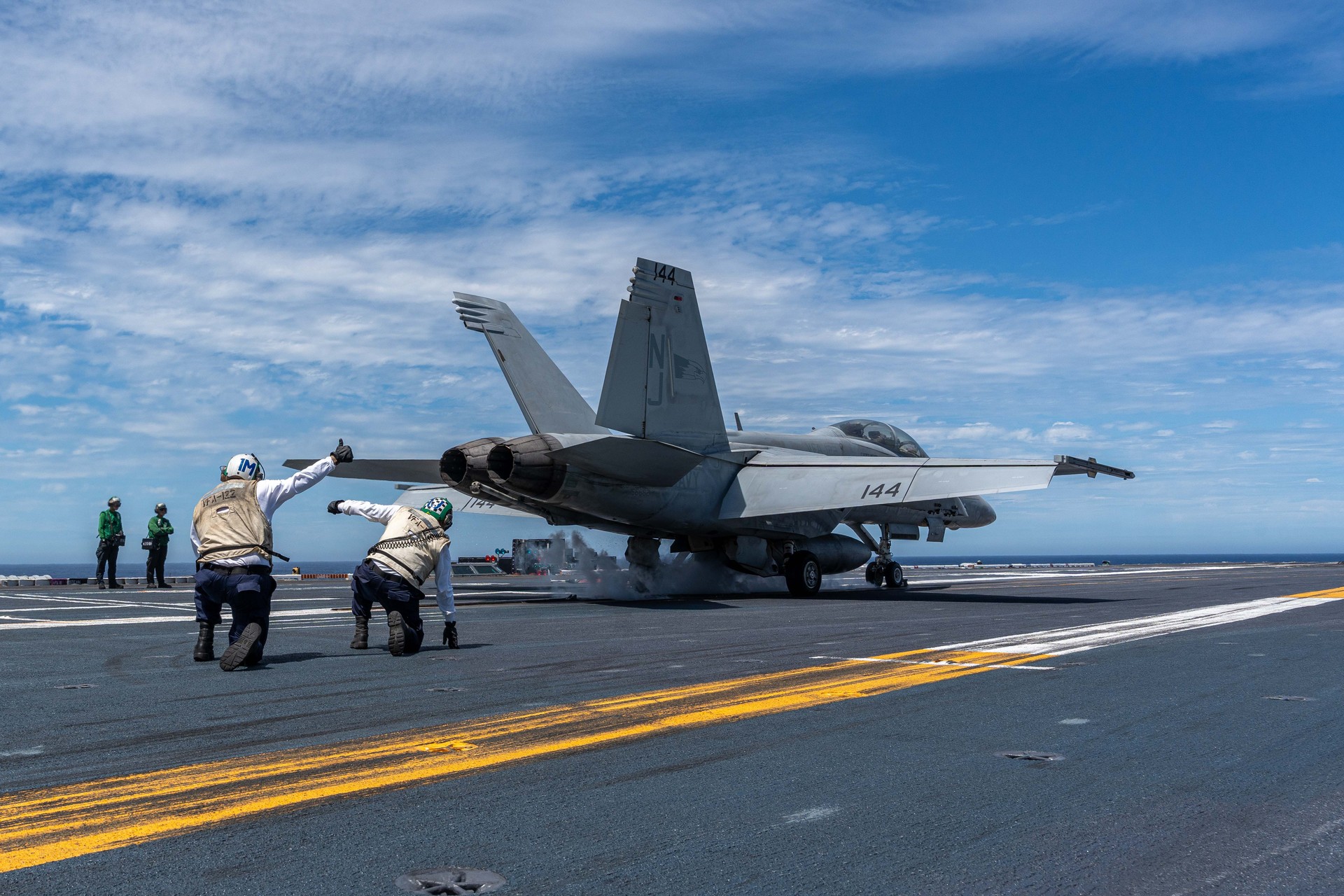
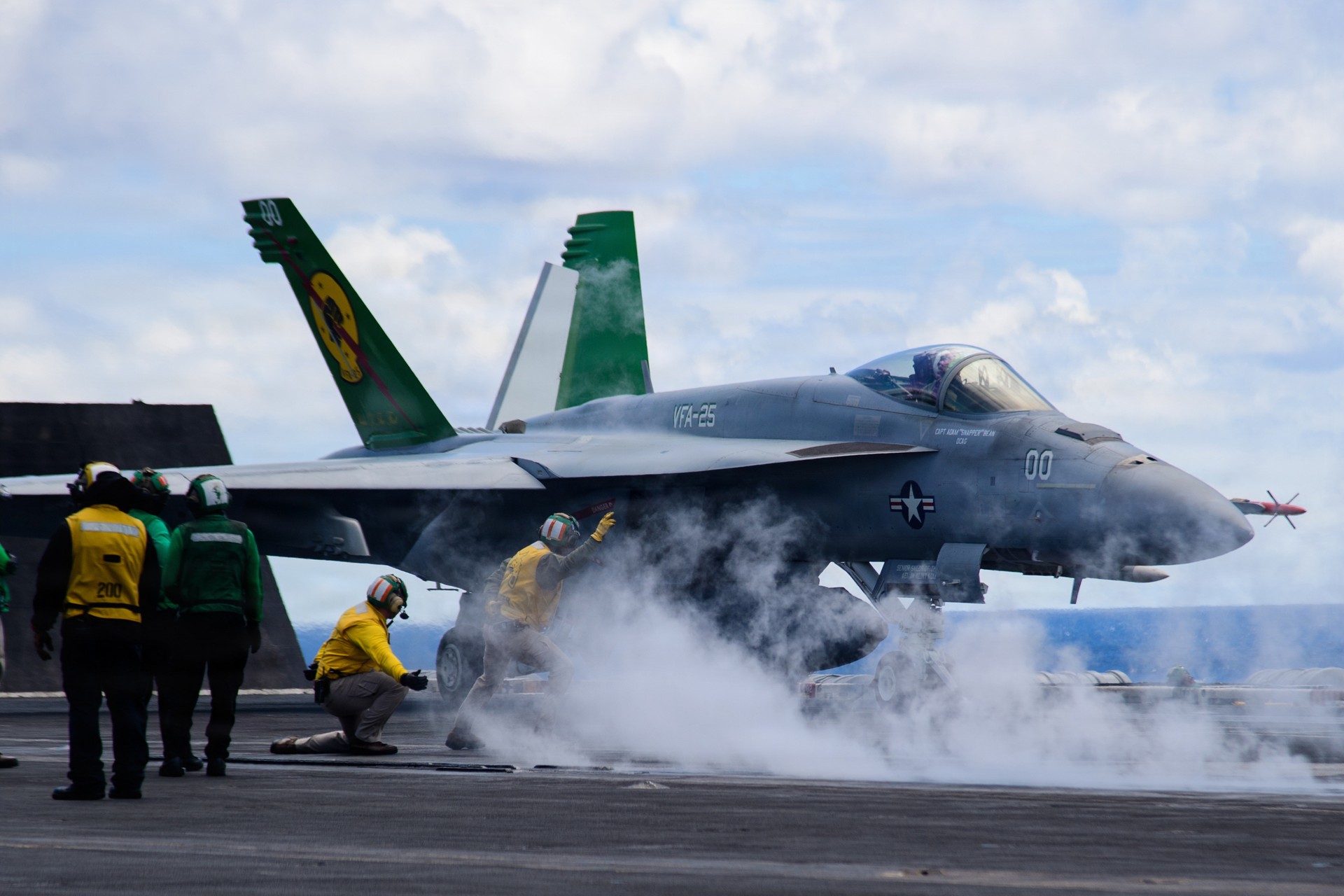
A runway demonstration cannot establish carrier suitability. Catapult launch and arrested recovery impose structural and control requirements; a moving deck, salt exposure, constrained parking and maintenance access add other demands. Ford- and Nimitz-class integration also requires attention to their different launch and recovery equipment.
These constraints interact. A change in landing gear or wing folding affects weight and maintenance. A deck-control interface affects crew workload and movement procedures. Power, communications and mission-system integration can consume margins that appeared comfortable in an early airframe demonstration.
Affordability therefore needs a whole-system definition. A recoverable aircraft must support repeated missions, repair, spares and training. Low acquisition cost is useful only if the carrier can generate the required sorties without an unsustainable support burden. Likewise, describing a platform as risk-tolerant does not mean its loss, replacement or embarked support is costless.
Teaming must be demonstrated at the right level
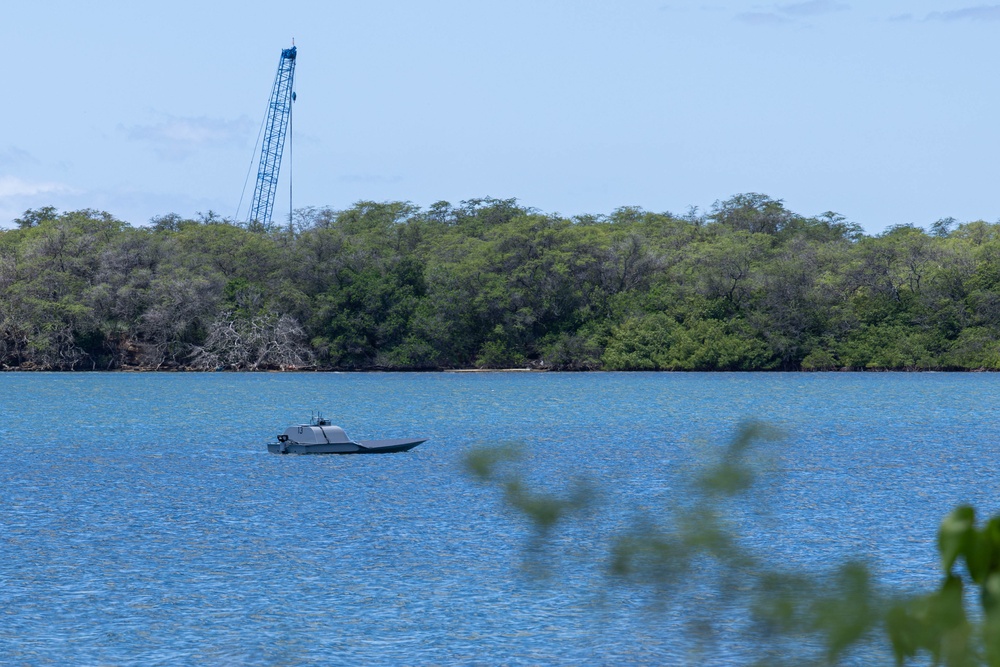
There is a useful Navy starting point. In its January 12, 2026 account, NAVAIR described a December demonstration with two BQM-177A targets flying autonomously, connected to a live-virtual-constructive environment that included a virtual F/A-18 and simulated adversaries. Shield AI, Kratos and CTSI contributed different parts of the integration.
That is evidence of developmental multi-platform coordination. It is not a demonstration that a combat CCA has completed carrier qualification. The distinction helps buyers ask a better question: which parts of the intended mission have been demonstrated on real hardware, which were simulated, and which remain assumptions?
For a future carrier team, the important interfaces extend beyond aircraft-to-aircraft messages. Mission planning, operator authority, track quality, communications loss and the return-to-ship process must fit into an air wing's procedures. A system that cooperates well in a controlled scenario may still impose excessive supervision when the network is degraded or the mission changes.
MQ-25 provides lessons, not automatic qualification
The Navy has already done relevant work with the MQ-25. Its December 2021 carrier demonstration evaluated taxiing, parking, catapult connection and clearing the landing area aboard USS George H.W. Bush. Deck operators used a control device while working with the ship's taxi directors.
Those tests provide a concrete example of how an unmanned aircraft enters a human flight-deck workflow. They do not prove that autonomous carrier operations have already been fielded at scale, nor do they transfer a qualification from a tanker to a different combat aircraft. Competitors should identify what procedures, interface knowledge and test infrastructure can be reused, and what their own design must demonstrate anew.
Boeing's MQ-25 experience is relevant to that discussion. Other aircraft and autonomy suppliers bring different experience. A defensible comparison examines evidence for the proposed configuration rather than ranking firms by a broad claim about naval heritage or software speed.
Share useful interfaces without forcing identical aircraft
The Air Force and Navy face overlapping autonomy questions, but distinct operating environments. Shared data definitions, evaluation scenarios and well-specified mission-software interfaces could reduce duplicated work while allowing different airframes and qualification paths. That is an architectural opportunity, not proof that the programs already share a software stack.
The acquisition team should identify where commonality reduces integration cost and where it creates a dependency on another program's schedule. An apparently common autonomy component can still require different assurance evidence when its sensors, operator interface or recovery constraints change.
Questions for a credible prototype response
- Define the configuration. Show the aircraft, shipboard interfaces and mission systems included in each demonstration.
- Separate evidence from plans. Label completed flight tests, simulated results and proposed carrier-suitability work distinctly.
- Expose margins. Track weight, power, cooling, structural and maintenance assumptions as the design matures.
- Demonstrate the human workflow. Include deck handling, operator handoffs, failure recovery and representative crew workload.
- Cost the operating system. Include support equipment, software sustainment, spares, training and integration alongside the aircraft.
The strongest response will explain how the Navy gets from a promising demonstration to repeatable shipboard operations. That path is where schedule credibility and long-term affordability are established.
Sources and further reading
- Navy CCA Increment 1 RFI record — market-research scope and notice history
- NAVAIR multi-platform autonomy demonstration — developmental evidence and participants
- MQ-25 carrier demonstration — deck handling and control workflow
Spartan X's engineering, logistics and program-execution disciplines address the work between a flight demonstration and an operating capability: interfaces that fit, support assumptions that hold and milestones tied to evidence.